October 7, 2026
In today's rapidly evolving world, where comfort meets technology, efficient cooling solutions are more important than ever. Rising temperatures and changing household needs have increased the importance of dependable air conditioning and effective energy management. HVAC companies are at the forefront of improving how homes are cooled by combining routine maintenance, modern equipment, smart controls, and energy-conscious strategies. These approaches can help homeowners maintain comfortable indoor temperatures while reducing unnecessary strain on cooling equipment. Understanding how professional cooling strategies work can also help homeowners make informed decisions about maintenance, upgrades, and everyday system use.
1. Regular Maintenance and System Performance
Regular maintenance and tune-ups are critical for keeping HVAC systems operating efficiently and reliably. Routine service gives technicians an opportunity to examine filters, motors, electrical connections, refrigerant levels, airflow, and other components that influence cooling performance. When minor problems are identified early, they can often be addressed before they develop into larger mechanical issues. Preventive maintenance may also reduce unnecessary strain on the equipment, helping the system provide more consistent cooling throughout the home.
Homeowners should also pay attention to warning signs that indicate a cooling system may need professional attention. Unusual noises, weak airflow, inconsistent temperatures, frequent cycling, and unexpected increases in energy bills can indicate developing problems. HVAC companies can evaluate these symptoms, identify possible causes, and recommend appropriate repairs or adjustments. Scheduling inspections before periods of heavy summer use can help prepare the equipment for increased demand and reduce the possibility of an unexpected breakdown during particularly hot weather.
2. Energy-Efficient Equipment and Technology
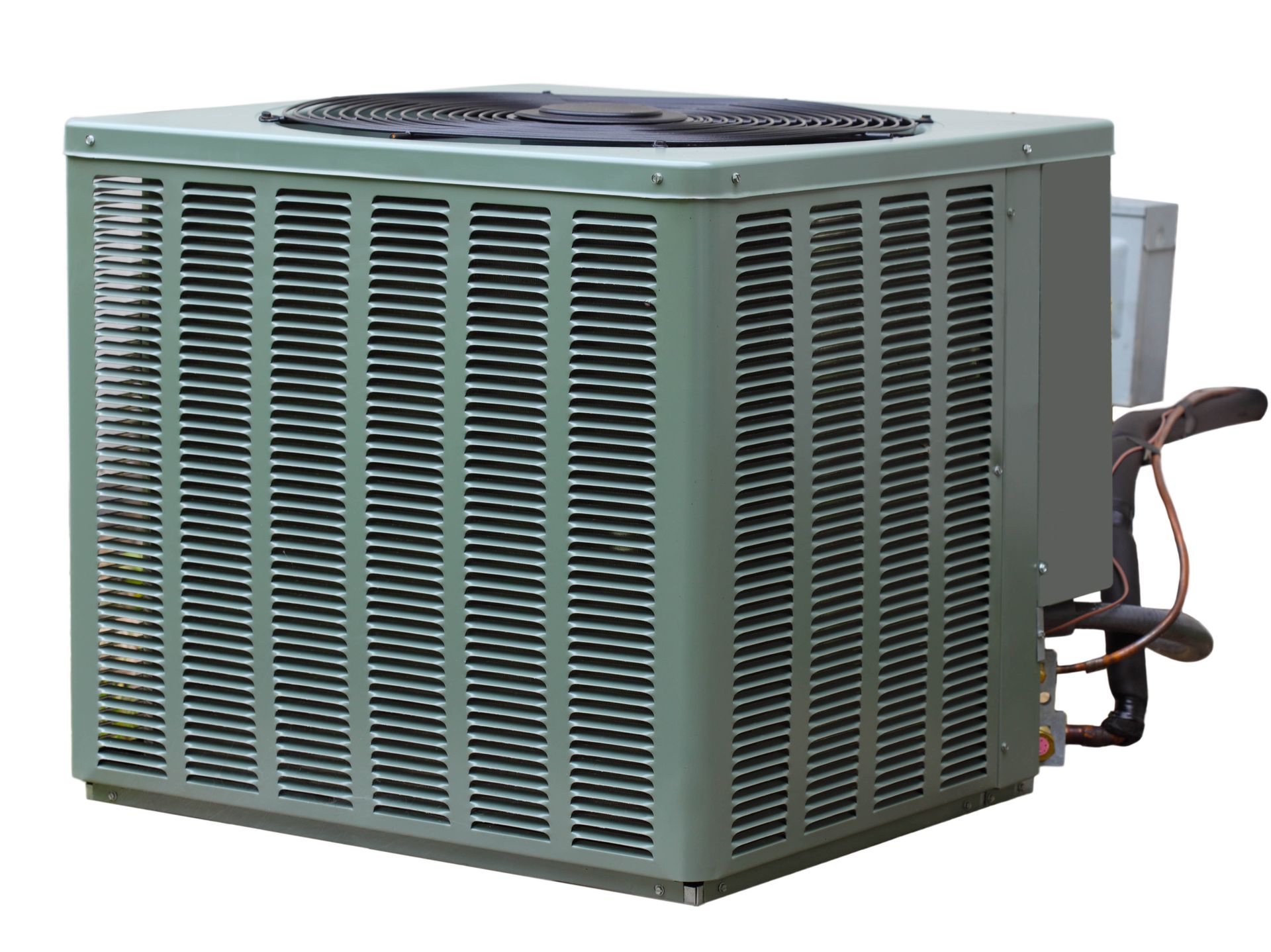
Modern heating and cooling equipment incorporates technologies designed to use energy more efficiently while maintaining indoor comfort. Variable-speed motors, multi-stage cooling, improved heat exchangers, and advanced controls allow systems to respond more precisely to changing household needs. Instead of operating at full capacity every time cooling is required, some systems can adjust their output according to indoor conditions. This can provide steadier temperatures while limiting unnecessary energy consumption.
Energy-efficiency ratings are another important consideration when homeowners are evaluating replacement equipment. Ratings such as the Seasonal Energy Efficiency Ratio provide information that can be used to compare different systems. However, efficiency ratings are only one part of selecting suitable equipment. Home size, insulation, ductwork, climate, installation requirements, and household cooling habits should also be considered. HVAC companies can assess these factors when helping homeowners determine which equipment specifications are appropriate for their properties.
3. Smart Thermostats and Temperature Control
Smart thermostats have changed the way homeowners manage indoor temperatures. These devices can provide programmable schedules, remote access, energy-use information, and automatic adjustments based on household routines. Rather than cooling an empty home at the same level throughout the day, homeowners can create schedules that reduce system operation during periods when cooling demand is lower. Some models can also learn recurring patterns and make gradual adjustments based on previous settings.
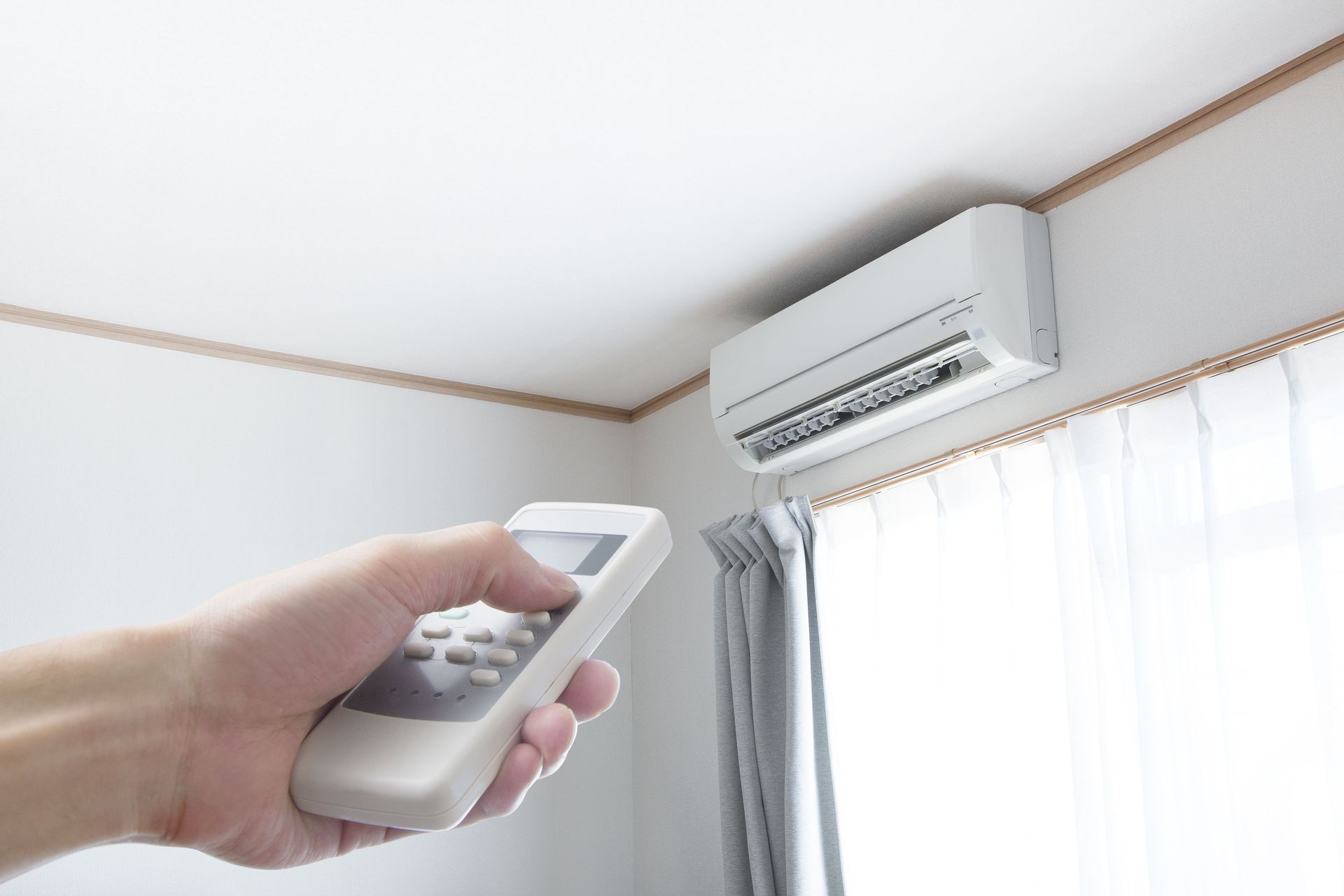
Remote controls can be particularly useful when schedules change unexpectedly. A homeowner can adjust temperature settings from a smartphone before returning home instead of leaving the cooling system operating continuously. Smart thermostats may also provide maintenance reminders and alerts when unusual temperature patterns occur. When properly matched with existing equipment, these controls can provide homeowners with greater flexibility and a clearer understanding of how daily habits affect cooling demands.
4. Insulation and Indoor Cooling Efficiency
The effectiveness of an HVAC system depends partly on the home's ability to retain conditioned air. Insulation acts as a thermal barrier that limits unwanted heat transfer between indoor and outdoor spaces. Inadequate insulation can allow outdoor heat to enter the home more easily during summer, forcing cooling equipment to operate for longer periods. Improving insulation in areas such as attics, exterior walls, and crawlspaces can help stabilize indoor temperatures and reduce unnecessary cooling demand.
Different insulation materials provide varying levels of thermal resistance and air sealing. Fiberglass, cellulose, foam board, and spray foam are commonly used depending on the location and requirements of the property. Homeowners should consider the condition of existing insulation as well as potential gaps around windows, doors, penetrations, and other vulnerable areas. HVAC companies may identify comfort problems associated with the home's overall thermal performance and recommend that homeowners investigate insulation or air-sealing improvements alongside mechanical upgrades.
5. Zoning and Customized Comfort
Zoning systems offer another way to manage energy consumption and indoor comfort. Rather than treating an entire house as a single temperature-controlled space, zoning divides the property into separate areas that can be managed independently. This can be particularly useful in multistory homes, properties with rooms that receive different amounts of sunlight, or households where occupants have different temperature preferences. Conditioned air can then be directed toward areas where it is needed most.
Installing a zoning system generally requires an evaluation of the home's existing equipment, ductwork, layout, and cooling requirements. Dampers, thermostats, control panels, or compatible multi-zone equipment may be needed to create independent temperature areas. HVAC companies can determine whether an existing system can accommodate zoning and explain the modifications that may be required. When properly designed, zoning can reduce unnecessary conditioning of unused spaces while allowing frequently occupied rooms to remain comfortable.
6. Airflow and Ventilation Improvements
Proper airflow is essential to cooling performance because conditioned air must travel efficiently from the equipment to different areas of the home. Restricted airflow can contribute to uneven temperatures, longer operating cycles, and additional strain on system components. Dirty filters, blocked vents, damaged ductwork, and improperly configured ducts are among the conditions that can interfere with effective air distribution. Keeping vents unobstructed and replacing filters according to system requirements are simple steps homeowners can take to support airflow.
Fans can also complement central cooling by circulating conditioned air throughout occupied rooms. Ceiling fans do not lower the actual room temperature, but moving air can make occupants feel more comfortable and may allow thermostat settings to be adjusted accordingly. Exhaust fans in kitchens and bathrooms serve a different purpose by removing heat and moisture generated by cooking, bathing, and other activities. Combining appropriate ventilation with mechanical cooling can help maintain a more balanced indoor environment.
7. Ductwork and Air Leak Prevention
Conditioned air can be wasted when ductwork contains gaps, disconnected sections, or damaged seals. Air leakage can prevent cooled air from reaching intended rooms and may contribute to uneven temperatures throughout the house. Leaks around windows, exterior doors, attic openings, and other parts of the building envelope can create similar efficiency problems. Finding and sealing these openings can help the home retain conditioned air and reduce the workload placed on cooling equipment.
Professional inspections can help identify airflow restrictions and duct problems that are difficult for homeowners to detect on their own. HVAC companies may use diagnostic equipment to evaluate airflow, determine whether duct connections are secure, and locate areas where conditioned air is being lost. Repairs should address the underlying problem rather than simply increasing system output to compensate for inefficient distribution. Maintaining an effective duct system allows the cooling equipment to serve the home more consistently.
Taking a comprehensive approach allows homeowners to focus on more than simply lowering the thermostat when temperatures rise. Evaluating the entire cooling system and the home's thermal performance can reveal opportunities for improved comfort and efficiency. With routine care, appropriate upgrades, and informed energy-management practices, homeowners can create indoor environments that remain comfortable throughout the warmer months while reducing unnecessary demands on their cooling equipment. Contact our team at Ocean Breeze Heating and Air today and learn more about our HVAC services.