June 8, 2026
The way we heat, cool, and ventilate our living and working environments has undergone a massive paradigm shift over the last few decades. What once began as a collection of basic, manually operated mechanical systems has evolved into a highly sophisticated network of smart, interconnected machinery. Today, modern climate control is no longer just about altering the temperature on a single thermostat; it is about leveraging advanced automation and data to perfectly balance human wellness with resource conservation.
The Evolution of HVAC Systems
Historical Development of HVAC Technology
HVAC technology has a rich history, dating back to ancient times when humans first started to regulate indoor temperatures. The modern era of HVAC began with the invention of refrigeration in the early 20th century, which allowed for better temperature control. Over the years, technological advancements have transitioned HVAC from rudimentary systems to sophisticated machines capable of automatic climate regulation. The introduction of air conditioning units to homes and offices changed living standards drastically, providing comfort in various weather conditions. Innovations continued, setting the stage for digital transformation in the late 20th century.
Transition from Mechanical to Digital Controls
The transition from mechanical to digital controls marked a significant milestone in HVAC technology. Early systems relied heavily on manual operations, limiting efficiency and precision. Digital controls introduced a layer of intelligence, allowing for more accurate temperature settings, energy savings, and overall system diagnostics. This shift not only improved operational efficiency but also reduced maintenance and long-term operational costs. It laid the foundational framework for integrating smart technologies in contemporary HVAC systems, particularly in regard to environmental monitoring and response capabilities.
The Role of Automation in Modern HVAC Systems
Automation has become an integral component of modern HVAC systems, transforming how these systems are managed and operated. By automating climate control settings, facilities can ensure consistent indoor comfort without the need for constant human intervention. Automation technologies come equipped with sensors that detect indoor and outdoor environmental changes, adjusting performance accordingly. This adaptability ensures not only comfort but also notable energy efficiency improvements, reduced operational costs, and decreased environmental impact. Automated systems are particularly beneficial in large commercial facilities where personalized climate control enhances occupant satisfaction.
Enhancements in Comfort Control
Personalized Climate Zones
Personalized climate zones represent a cutting-edge solution in elevating indoor comfort levels. These systems allow distinct areas or rooms to have tailored temperature settings based on specific occupant preferences or requirements. This capability is particularly beneficial in environments with diverse usage patterns, such as hotels, offices, and multi-residential complexes. By providing individually controlled zones, these systems optimize comfort without unnecessarily high energy costs or resource wastage. Importantly, personalized climate zoning ensures that energy is used only where necessary, enhancing overall system efficiency and reducing unnecessary consumption.
Advanced Air Filtration Systems
The importance of air quality in well-being and comfort has led to substantial advancements in HVAC air filtration technologies. Modern systems are equipped with advanced filters capable of capturing a wide range of particles, from dust and pollen to bacteria and viruses. These enhanced filters contribute to healthier indoor environments by reducing pollutants and allergens. As interest in maintaining pristine air quality grows, especially in urban areas, an experienced HVAC company can leverage these advanced filtration methods to assure occupant health and satisfaction. The integration of such technology also aligns with a broader commitment to sustainable living environments.
Humidity Control Features
Humidity control is another critical aspect of modern HVAC systems, designed to augment comfort and improve overall climate control. High humidity can cause discomfort, encourage mold growth, and exacerbate allergies, making effective moisture management essential. Contemporary HVAC systems incorporate sophisticated dehumidification processes, adjusting humidity levels independently of cooling operations. This feature ensures a balanced indoor environment, combining desired temperature settings with optimal humidity levels. Moreover, efficient humidity control contributes to the longevity of the building infrastructure by preventing moisture-related damage.
Smart HVAC Systems and IoT Integration
IoT-Enabled HVAC Components
The rise of IoT technology has significantly influenced the capabilities of modern HVAC systems, ushering in an era of interconnected components. IoT-enabled devices within HVAC systems facilitate seamless communication and coordination, enhancing operational efficiency and system responsiveness. They allow comprehensive control over all aspects of climate systems, from temperature settings to predictive maintenance. By collecting and analyzing data, IoT technology enhances system functionality, providing users with informed insights to deliver environmentally-friendly efficiency. IoT integration underscores the shift toward smarter infrastructure, aligning HVAC systems with the demands of modern, connected living.
Benefits of Connectivity and Automation
Connectivity and automation within HVAC systems represent a significant leap in operational performance and energy management. These features enable systems to communicate and coordinate actions, leading to optimized operations and reduced user intervention. Automation enhances the timing and accuracy of heating and cooling outputs, improving efficiency and occupant satisfaction. Connectivity affords HVAC systems greater flexibility, allowing for updates and customization in real-time. Ultimately, connectivity and automation together ensure intelligent climate regulation that anticipates user demands, maximizes energy efficiency, and drives down costs.
Remote Monitoring and Control
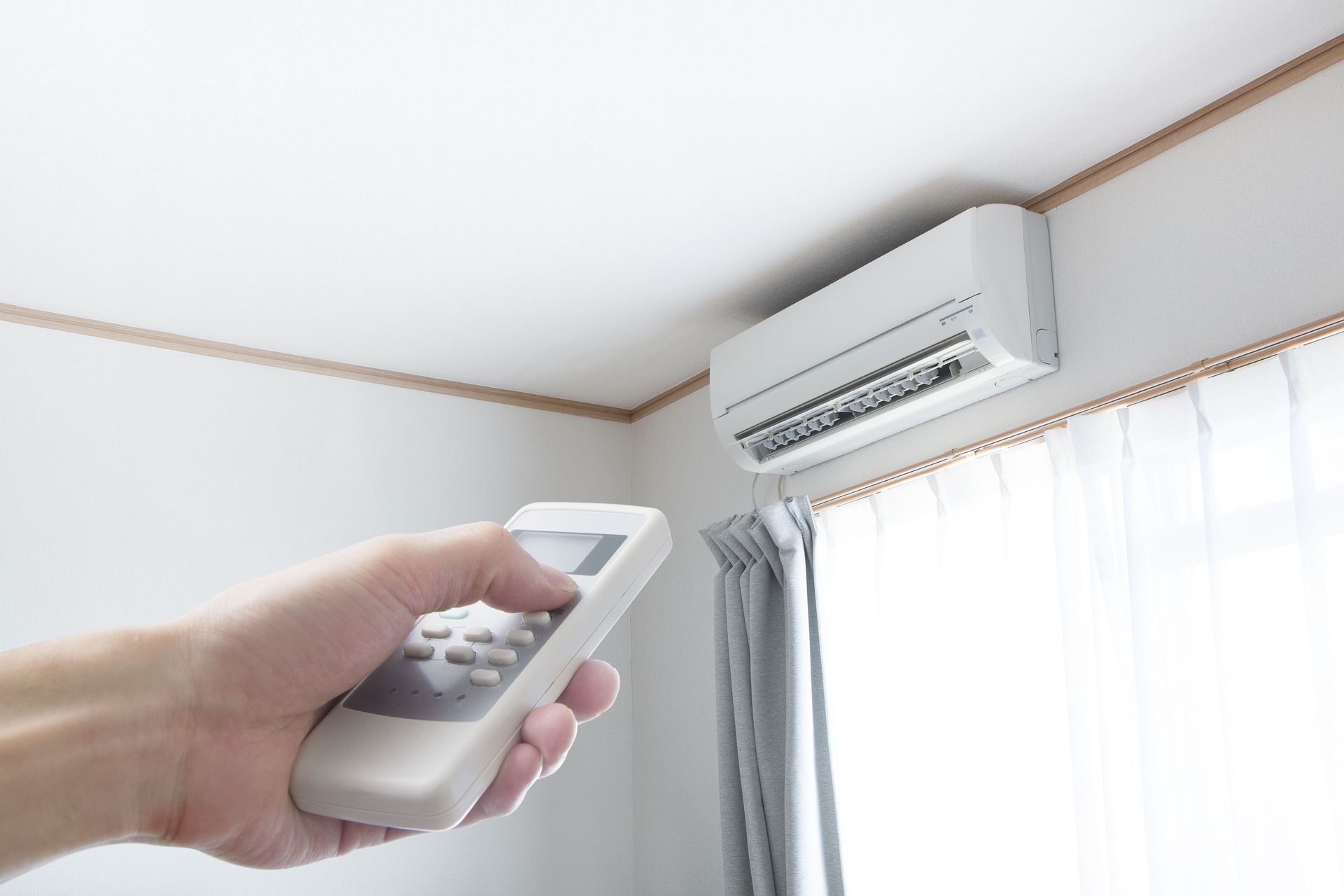
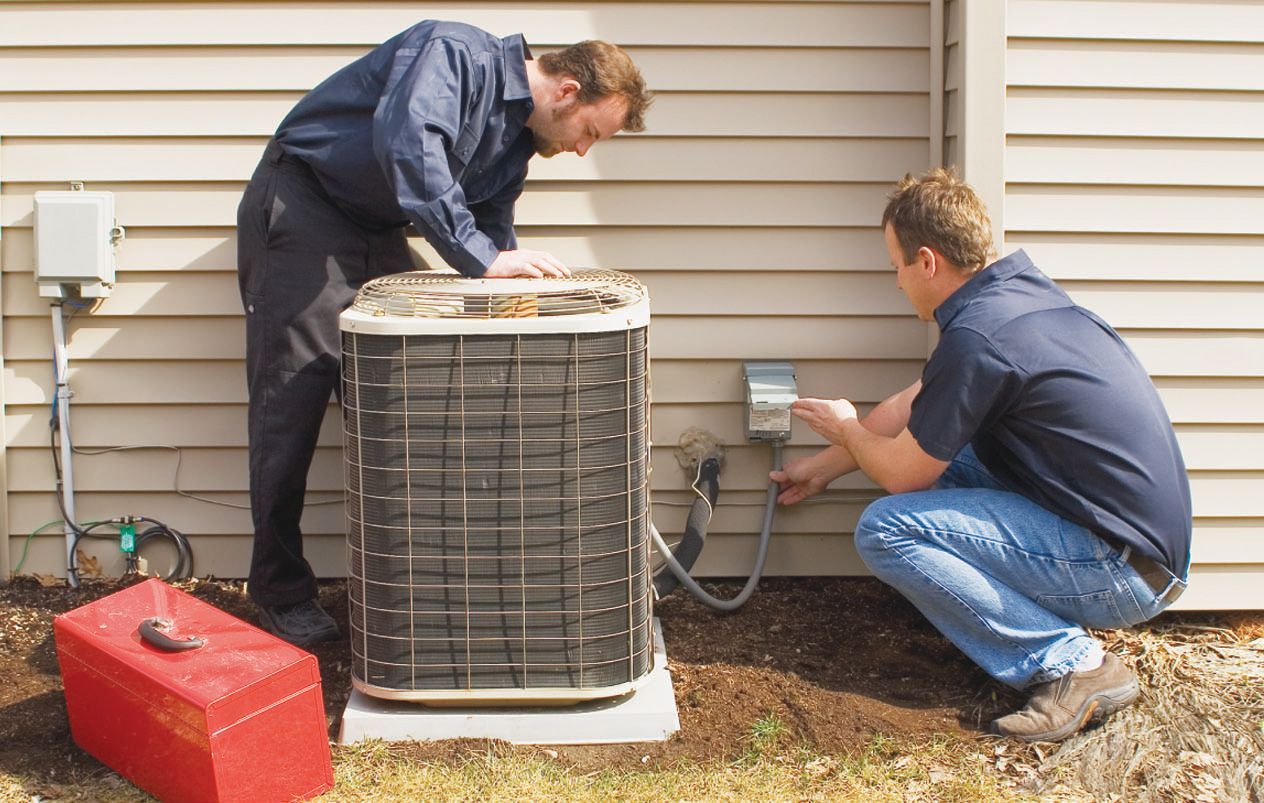
Remote monitoring and control are pivotal benefits of IoT integration in HVAC systems, redefining how user interactions and maintenance are performed. Users can access system controls from virtually anywhere, providing a remarkable degree of convenience and peace of mind. Remote capabilities permit real-time adjustments and responsiveness to emerging environmental conditions, ensuring continual comfort irrespective of location. These features also facilitate efficient maintenance protocols, allowing a qualified HVAC company to preemptively address system failures and reduce downtime. This revolutionary approach enhances usability while promoting resource efficiency and extending system lifespans.
The Impact on Residential and Commercial Spaces
Smart Climate Solutions for Residential Homes
Advanced HVAC systems significantly influence household comfort and energy management, offering residents tailored climate experiences alongside reduced energy consumption. These systems incorporate smart technologies that allow homeowners to manage profiles and preferences through programmable settings and remote applications. Improved energy efficiency translates into lower utility expenses and an environmentally conscious lifestyle. According to ZipDo Education Reports, retrofitting existing HVAC systems with energy-efficient technology can save up to 25% on energy costs. Smart HVAC systems not only enhance user comfort but also ensure that energy is utilized in the most efficient manner possible. As energy concerns rise, partnering with a local HVAC company to invest in technology that balances comfort with conservation becomes crucially advantageous for homeowners.
HVAC Solutions for Large Commercial Buildings
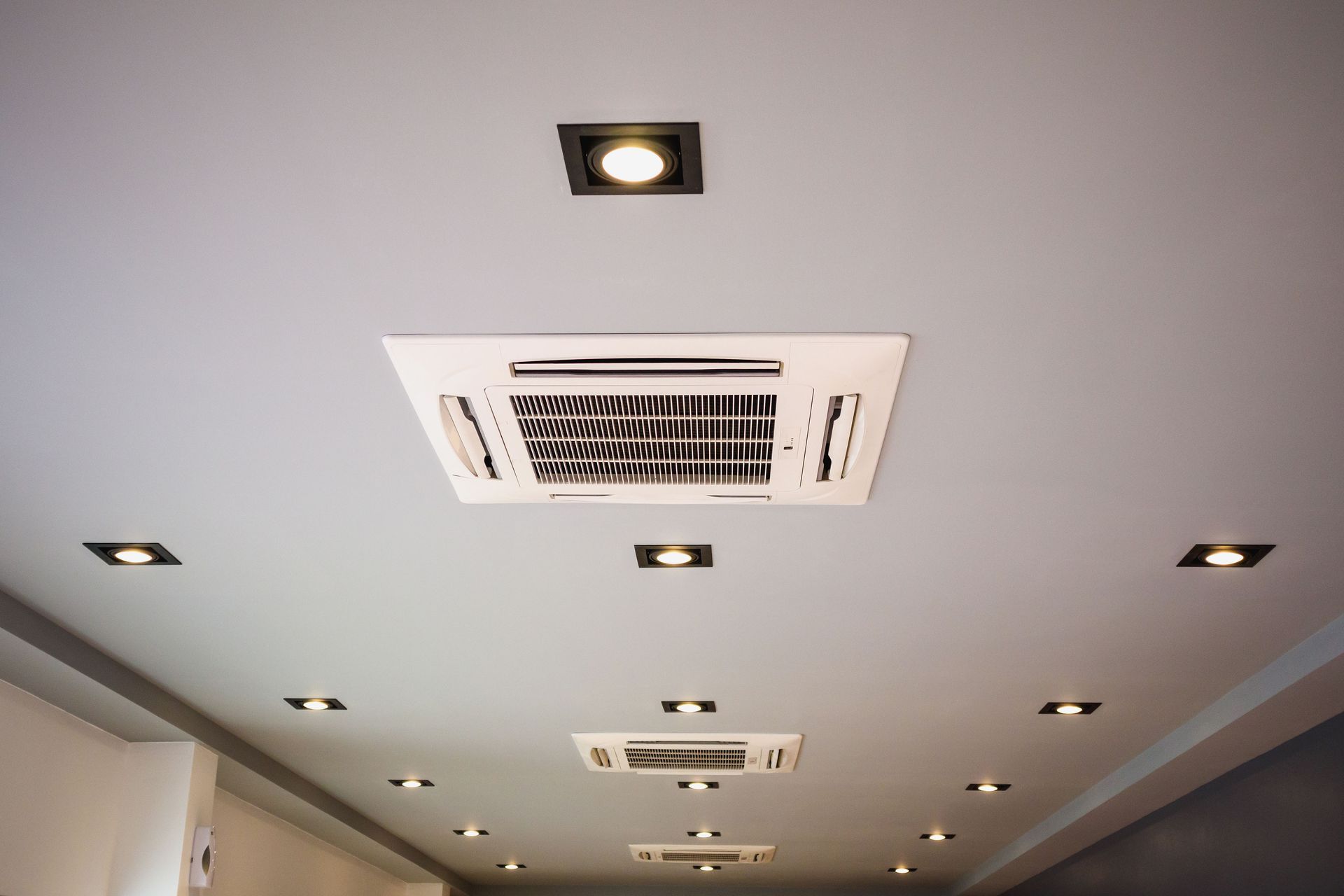
In large commercial buildings, HVAC solutions are tailored to accommodate diverse usage patterns, operational demands, and sustainability objectives. Systems in these environments require precision and reliability to maintain consistent indoor conditions conducive to productivity and occupant well-being. Advanced technologies, including centralized monitoring and adaptive control mechanisms, allow building managers to optimize environmental settings seamlessly. These customized solutions help navigate energy consumption peaks and bolster system performance, alleviating operational constraints. Evolving HVAC advances perpetually address the multifaceted challenges commercial entities face, supporting industry-focused climate control solutions delivered by a commercial HVAC company.
Tailored Systems for Industrial Applications
Industrial applications necessitate customized HVAC solutions that meet unique operational and regulatory requirements, ensuring safety, efficiency, and productivity. These systems are engineered to address specific environmental factors, including temperature extremes, contaminant management, and ventilation load demands. Integration of robust filtration systems and resilient HVAC components is imperative in sustaining productivity across industrial processes. Regulatory compliance mandates underscore the continuous evolution of HVAC systems in industrial settings, prioritizing energy efficiency and reduced emissions without undermining operational effectiveness. Tailored solutions from an industrial HVAC company fortify manufacturing capabilities while championing sustainable methodologies.
From the integration of smart IoT components to the precision of personalized climate zoning and advanced air filtration, modern heating and cooling systems have moved far beyond their mechanical origins. These technological developments prove that maximizing indoor comfort does not have to come at the expense of energy efficiency. Ultimately, investing in modern technology with a trusted HVAC company is a critical step forward for both residential and commercial properties looking to achieve precise climate control and a sustainable, energy-conscious future. Call Ocean Breeze Heating and Air today to upgrade your system and enjoy perfect indoor comfort all year long.